How Long Do DTF Transfers Last? A Guide to DTF Durability
Direct-to-Film (DTF) printing has revolutionized the custom apparel industry with its vibrant colors and versatility. However, the most common question from creators and customers alike is: "How long do these transfers actually last?" Understanding the durability of DTF is essential for building a brand that customers trust. In 2026, DTF technology has reached a level where it rivals traditional screen printing in longevity. This guide explores the factors that influence DTF durability and how to ensure your prints stay fresh for years.
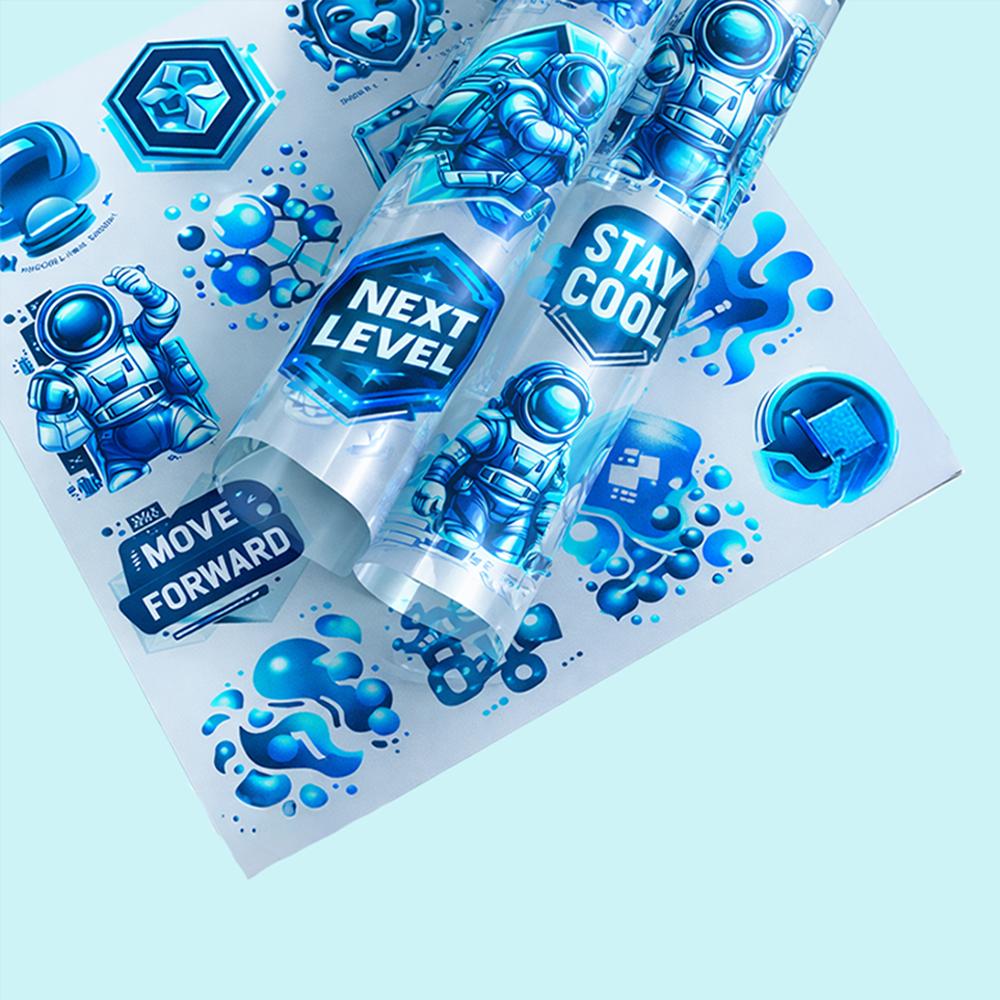
Maximize your production efficiency by using our Create UV DTF Gang Sheet tool. This innovative builder allows you to organize multiple designs, logos, and custom sizes onto a single print sheet with ease. By grouping your projects together, you significantly reduce material waste and lower your overall costs. Perfect for branding various hard surfaces, our UV DTF gang sheets deliver high-resolution, durable, and vibrant results in one convenient order.
The Standard Lifespan of a DTF Transfers
A high-quality DTF transfers is designed to last between 50 to 100 wash cycles. For most users, this means the print will likely outlast the garment itself. If applied correctly, the design should not crack, peel, or fade significantly during the first year of regular use. The bond created between the specialized adhesive and the fabric fibers is incredibly strong.
This longevity is one of the primary reasons DTF has become a preferred method for streetwear and uniforms. Unlike traditional vinyl, which can become brittle over time, DTF remains flexible. This flexibility prevents the mechanical stress of wearing and washing from breaking the design. When you invest in quality DTF, you are investing in a product built for the long haul.
The Role of Quality Consumables DTF Transfers
The durability of a DTF transfers starts long before the heat press is turned on. The quality of the ink, film, and adhesive powder determines the ultimate lifespan of the print. Cheap, low-grade inks often lack the pigment density and binding agents required for long-term wear. These inferior products are prone to fading after only a few washes.
Similarly, the adhesive powder acts as the bridge between the design and the fabric. High-quality TPU (Thermoplastic Polyurethane) powder ensures a soft yet industrial-strength bond. Using premium consumables ensures that the transfer remains stretchable and resilient. Choosing a reputable supplier for your DTF supplies is the first step in guaranteeing a durable finished product.
The Importance of the Curing Process
Curing is a critical step that many beginners overlook. After the ink is printed onto the film and coated with powder, it must be heated to melt the adhesive. If the curing temperature is too low, the powder will not fully bond with the ink. This results in a print that may look good initially but peels off quickly after washing.
If the temperature is too high, you risk scorching the film or making the adhesive too brittle. Achieving the perfect "orange peel" texture during curing is a sign of a successful bond. This stage sets the chemical foundation for the transfer's durability. Proper equipment, such as a dedicated DTF oven or a high-end heat press, makes this process consistent and reliable.
Perfecting the Heat Press Application
Even the best DTF Transfers will fail if the application process is flawed. The durability of a DTF print relies heavily on the "Time, Temperature, and Pressure" trifecta. Every garment type requires a specific setting to ensure the adhesive penetrates the fibers. For example, cotton typically requires more pressure than polyester to achieve a permanent bond.
A common mistake is using a hand iron or a low-pressure press, which results in uneven heating. This leads to weak spots in the design where the print might lift. Using a professional-grade heat press ensures that the heat is distributed evenly across the entire graphic. A second "finishing press" after peeling the film is also highly recommended to further lock the design into the fabric.
Fabric Choice and Its Impact on Longevity
The type of fabric you print on significantly affects how long a DTF Transfers lasts. Natural fibers like 100% cotton provide an excellent surface for DTF adhesive to grab onto. Synthetic blends, such as polyester or spandex, require more specialized care but offer great flexibility. DTF is famous for its ability to stretch along with these performance fabrics without cracking.
However, fabrics with heavy coatings or water-repellent finishes can be challenging. These coatings can prevent the adhesive from reaching the actual fibers of the garment. Always ensure your blanks are clean and compatible with heat-transfer technology. Starting with a high-quality blank, like the Teeland V1 series, ensures the best possible foundation for a long-lasting print.
Washing Instructions for Maximum Durability
How a customer treats the garment after purchase is the final piece of the durability puzzle. To reach the 50+ wash milestone, proper care is essential. We always recommend washing DTF-printed garments inside out. This simple step protects the surface of the design from friction with other clothes and the washing machine drum.
Using cold or lukewarm water is also vital, as extreme heat can eventually soften the adhesive bond. Avoid harsh bleaches or strong fabric softeners, as these chemicals can break down the ink structure. For drying, air drying is the safest method, but a low-heat tumble dry is usually acceptable. Providing clear care instructions to your customers is the best way to ensure they are happy with the product’s lifespan.
Resistance to Cracking and Peeling
One of the biggest complaints with older transfer technologies was the "cracking" effect. This usually happened when the print was too thick or lacked elasticity. DTF transfers are incredibly thin and move with the fabric. Even when stretched to its limit, a high-quality DTF print will snap back to its original shape without damage.
This resistance to mechanical stress is why DTF is used for athletic wear and gym apparel. The print doesn't feel like a heavy plastic sheet on the chest; it feels like part of the shirt. This "soft hand" feel is not just about comfort—it is a direct indicator of the transfer's ability to endure daily wear and tear.
Environmental Factors and Fading
DTF inks are generally very resistant to UV light, meaning they won't fade quickly when exposed to the sun. This makes them suitable for outdoor workers and summer fashion. However, prolonged exposure to extreme conditions will eventually take a toll on any printed material.
The color fastness of DTF is one of its strongest selling points. The inks are designed to remain vibrant and saturated even after dozens of laundry cycles. Unlike sublimation, which only works on light-colored polyester, DTF maintains its color brilliance on dark cotton and various other substrates. This reliability ensures that your brand's logos look professional for the life of the shirt.
Troubleshooting Durability Issues
If you find that your DTF Transfers are peeling sooner than expected, it is usually a process issue. Check your heat press calibration to ensure the displayed temperature matches the actual plate temperature. Verify that you are applying enough pressure—you should feel a slight resistance when closing the press.
Another factor could be moisture in the film or the garment. Pre-pressing your t-shirt for 5-10 seconds before applying the transfer removes excess moisture and flattens the fibers. This small step can significantly improve the initial bond and long-term durability. Consistent testing and quality control are the hallmarks of a successful printing business.
Conclusion: A Long-Lasting Solution
In conclusion, DTF transfers are an incredibly durable and reliable solution for modern apparel decoration. When high-quality supplies are paired with correct application techniques, these prints can easily last over 50 washes. They offer a perfect balance of vibrant color, soft texture, and industrial-strength longevity.
To stay connected with the latest projects and community updates from DTF Print House, you can visit their various social media channels. Explore the newest printing techniques and inspiring designs on their Instagram and TikTok accounts. For creative ideas and visual inspiration, check out their Pinterest page. Additionally, you can follow the brand on Facebook to receive current announcements and exclusive deals, ensuring you stay informed about all the innovations in the printing world.