






DTF apparel can be useful in an arts project, but the shirt should never become the project plan. For a Pearland nonprofit, the first question is not which transfer size to order. It is what role the apparel serves, who needs it, how it supports the public-facing program, and whether the cost is appropriate for the budget that will fund the work. That distinction matters even more when a project may involve public or grant-supported funding.
Pearland has an active cultural-arts funding structure. Visit Pearland’s Cultural Arts Matching Grant guidelines describe eligibility, matching requirements, public access, tourism goals, and fiscal-year rules for funded projects. The published guidelines do not say that DTF apparel is automatically an eligible expense. If shirts, tote bags, or other apparel are part of a grant-supported project, verify the specific cost with the grant administrator before placing it in the grant budget.
Start With the Purpose of the Apparel
One arts project may need shirts for volunteers. Another may want limited merchandise for performers, artists, or supporters. A third may only need a small number of clearly branded garments so the public can identify event staff. Those are different jobs, and they should not be combined into one vague “merch” line.
Before you request artwork or prices, write one sentence that explains the purpose of the apparel. For example: “These shirts identify event volunteers,” or “These shirts are optional merchandise sold to support the organization.” A clear purpose makes the rest of the decision easier because you can evaluate quantity, artwork, garment type, and budget against a real use case.
Separate Program Need From Fundraising Merchandise
For grant-supported cultural programming, program expenses and revenue-generating merchandise may be treated differently depending on the rules of the funding source. Do not assume that because a shirt carries the event logo it belongs in the same budget category as venue, performance, or public-program costs. The safest workflow is to separate the two ideas before you ask whether either expense is allowable.
- Program apparel: garments used by staff, volunteers, performers, or other defined project participants.
- Promotional apparel: garments intended to increase awareness of the event or organization.
- Merchandise: garments intended primarily for sale, fundraising, or post-event inventory.
This separation also prevents over-ordering. If 20 volunteer shirts are necessary but 100 merchandise shirts are speculative, those quantities should not be approved with the same logic. A nonprofit can make better decisions when each quantity is tied to a purpose rather than to a general desire to “have shirts.”
Build a Simple Approval Record Before Ordering
Arts projects often involve more than one decision-maker. A program director may approve the message, a board member may approve the budget, an artist may control the artwork, and an event manager may know the final headcount. When these decisions stay in email threads or text messages, the print file can move forward before the project is actually settled.
Create a short approval record that captures the final project name, intended wearer or buyer, approved artwork version, garment quantity, transfer size, and the person who approved the expense. This does not need to be complicated. The goal is simply to stop a preliminary design from becoming a production file because someone assumed it was final.
Design for the Project, Not for the Screen
Artwork that looks balanced on a laptop can feel very different on a shirt. A detailed festival poster, for example, may contain sponsor lines, dates, venue information, social handles, and fine decorative elements. That information might work on a digital flyer but become crowded when reduced to a chest print.
Decide which information must survive on the garment. In many cases, that is the project name, the core visual identity, and one clear secondary element. If sponsor or credit language is required, confirm the exact wording and minimum presentation before resizing the art. Do not “simplify” required credit lines without approval just to make the design fit.
If the final artwork needs an exact finished measurement, custom DTF transfers by size can help keep the production specification tied to the approved dimensions. That is more reliable than sending a design with no final size and expecting the printer to guess how large it should be.
Use a Budget Decision Before a Print Decision
Once the apparel purpose is clear, make the budget decision before the order decision. Confirm which funding source will pay for the apparel, whether that source permits the expense, and whether the quantity is justified by the program. If a grant administrator needs to approve the category, get that answer before the order is submitted.
This is especially important for time-sensitive events. A deadline can create pressure to print first and document later, but that reverses the safest order of operations. The transfer should be the last part of the approval chain, not the first.
Plan Pearland Production Around a Locked Scope
When the project scope is approved, Pearland organizations can review DTF transfers for Pearland projects and choose the ordering format that fits the artwork. The useful decision is not “Which DTF product is best in general?” It is “Which format matches this approved artwork and quantity?”
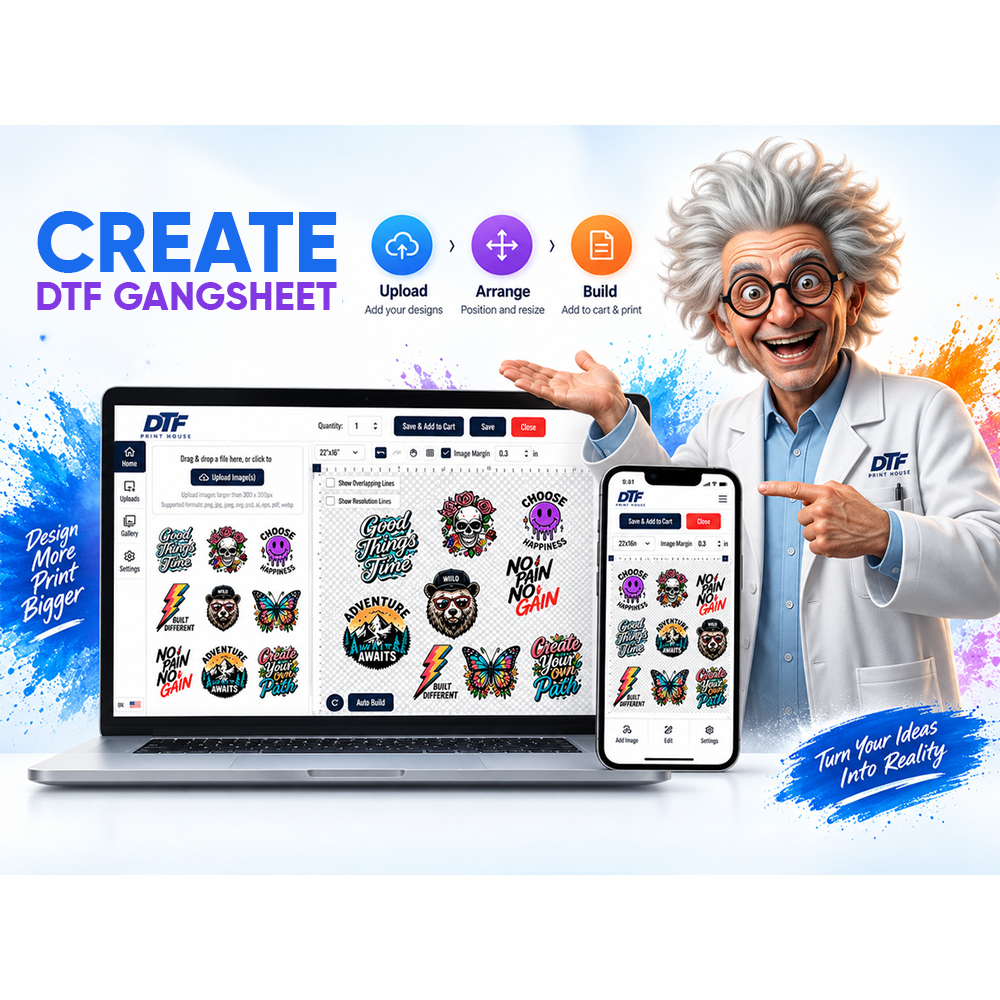
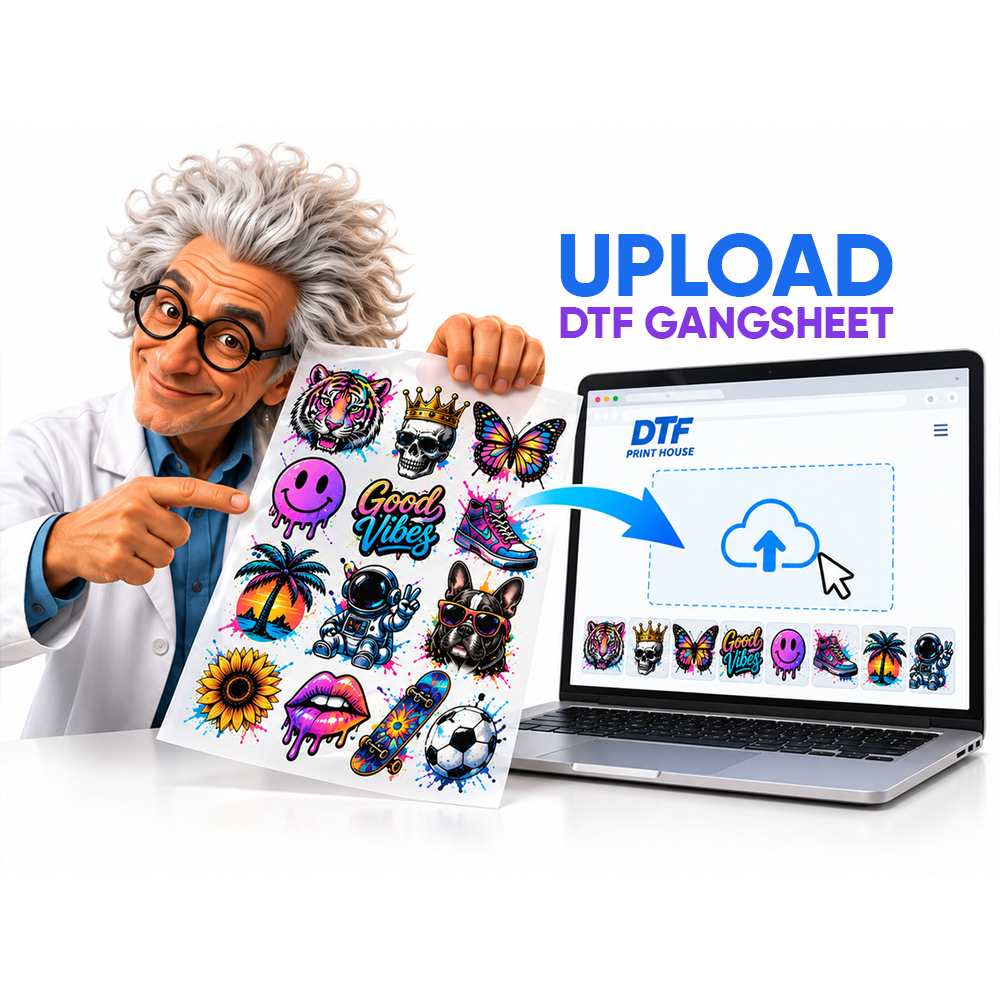
For one design with a defined finished size, ordering by size can keep the specification simple. If the project includes several approved graphics, a gang-sheet workflow may be more efficient, but only after the artwork list is final. Avoid combining draft graphics, alternate logos, or unapproved sponsor versions into the same production file.
A Better Final Question for Arts Organizations
Before you order, ask: “If someone reviews this project six months from now, can we explain why these garments were needed, who approved them, what artwork was authorized, and which budget paid for them?” If the answer is yes, the apparel decision is probably well controlled. If the answer is no, the project needs one more round of documentation before printing.
DTF apparel can support a Pearland arts project when it has a defined role and a clean approval path. Keep grant eligibility separate from printing, keep merchandise separate from program need, and lock the design and quantity before production. That approach protects the project from last-minute confusion and makes the final apparel easier to order with confidence.