



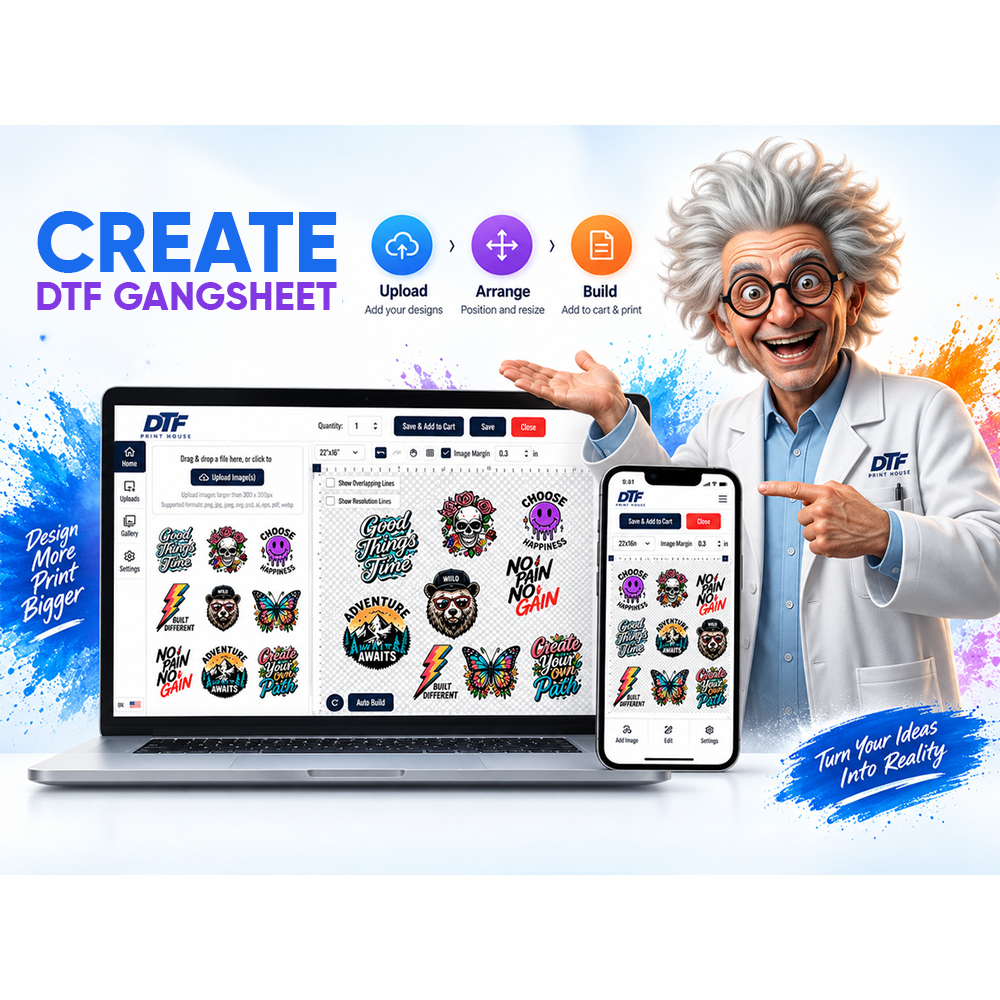
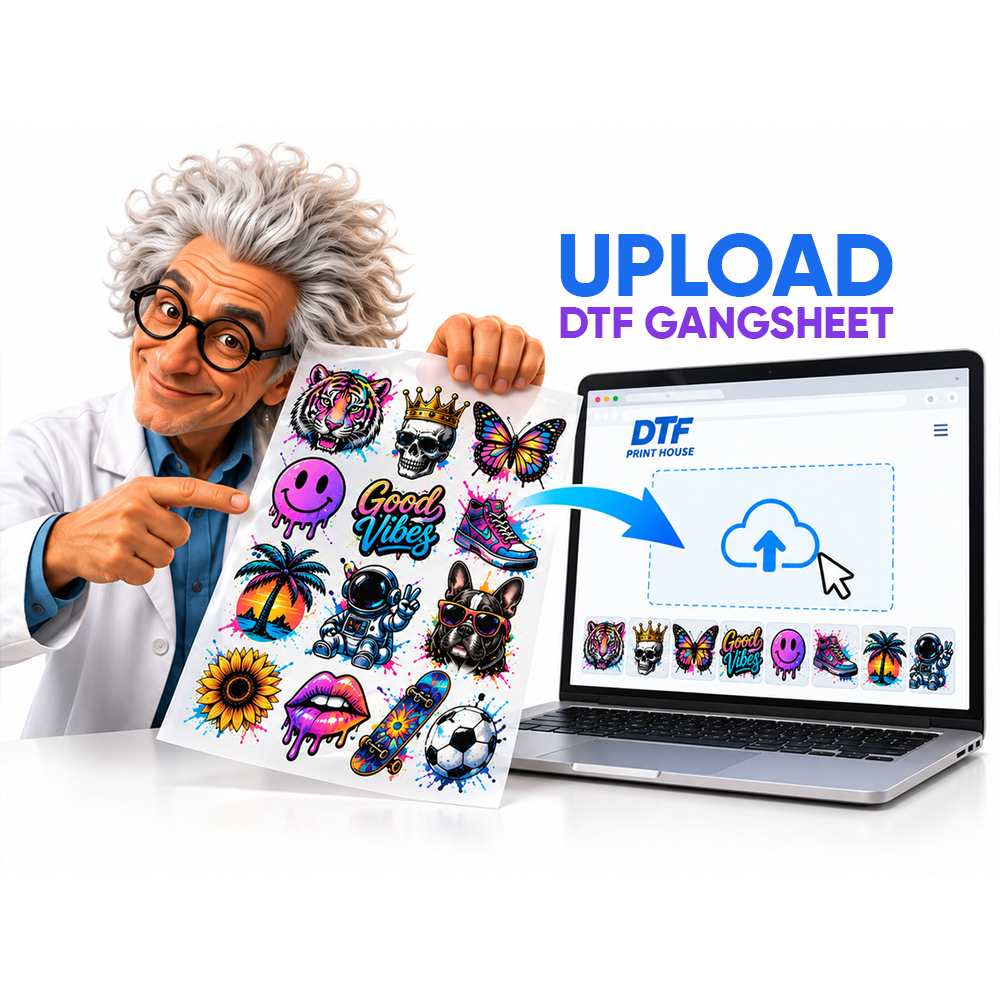


Healthcare apparel in Houston can serve very different purposes. A shirt for a health fair, volunteer day, research event, recruiting program, or administrative team is not the same thing as a clinical uniform, scrub set, isolation garment, or other protective clothing used during patient care. Before choosing a transfer, garment, or print location, the first decision should be simple: what job does this apparel need to do?
That distinction matters in a healthcare market as large and varied as Houston. Texas Medical Center reports 106,000 employees, 50,000 life science students, thousands of volunteers, and more than 160,000 daily visitors across its campus. In that environment, branded apparel may support outreach, events, research teams, recruiting, fundraising, administration, and many other nonclinical uses. This guide explains where DTF transfers can fit those projects and where clinical apparel should remain in a separate, policy-driven workflow.
Separate the Apparel Jobs
The easiest way to avoid a bad apparel decision is to classify the garment before discussing the design. For most healthcare organizations, the apparel request falls into one of three broad groups.
- Event and outreach apparel: T-shirts, hoodies, or similar garments for health fairs, volunteer programs, community events, recruiting days, fundraising campaigns, conferences, research events, or internal celebrations.
- Nonclinical team apparel: Branded clothing for administrative teams, office staff, research groups, marketing teams, educators, support departments, or other roles where the garment is not being selected as clinical protective clothing.
- Clinical or protective apparel: Scrubs, uniforms, gowns, laboratory coats, isolation apparel, or other garments used in patient-care or exposure-related settings where employer, facility, infection-control, laundering, or protective-clothing requirements may apply.
DTF planning is most straightforward in the first two groups. The third group requires a different decision process. A print method should never be treated as permission to ignore the healthcare facility's garment rules, laundering procedures, protective-clothing requirements, or approved decoration practices.
Where DTF Fits Best
DTF transfers are useful when a Houston healthcare organization needs branded apparel for a clearly nonclinical purpose. A single full-color logo can be prepared for a volunteer shirt. A research team may need matching apparel for a conference or public-facing event. A recruiting group may want consistent shirts for a campus program. A nonprofit health initiative may need branded garments for a community outreach day.
In these situations, the production question is similar to other custom apparel projects: finalize the artwork, define the transfer size, choose the garment, confirm quantities, and decide when the finished shirts need to be ready. Houston-area buyers can review the available local order routes through the DTF Transfers Houston collection.
The key is to keep the use case clear. If the shirt is for an event, outreach team, volunteer group, research presentation, recruiting activity, or office program, the apparel can be planned around branding and production needs. If the garment will be used as part of clinical work or protective clothing, the apparel decision needs another layer of review before decoration begins.
Keep Clinical Uniforms Separate
Clinical clothing should not be planned like promotional apparel. The Centers for Disease Control and Prevention explains that healthcare protective clothing is selected around exposure risk, barrier performance, and the task being performed. Its healthcare protective-clothing standards guidance covers items such as isolation gowns, surgical gowns, and coveralls and makes clear that protective apparel decisions depend on performance requirements rather than appearance alone.
That does not mean every healthcare uniform is personal protective equipment. It means the organization should identify the garment's function before adding a logo or decoration. If a scrub top, laboratory coat, or other clinical garment is subject to a facility policy, the facility's requirements should control the decision. Do not assume that a decoration method is appropriate simply because the artwork can physically be applied to the fabric.
Laundering is another reason to keep clinical apparel in a separate workflow. CDC guidance on laundry and bedding in healthcare facilities discusses uniforms, scrub suits, gowns, contaminated textiles, and employer responsibilities. Healthcare facilities may have their own rules based on the work being performed and the contamination risk.
For a Houston healthcare team, the practical rule is simple: use DTF planning for nonclinical branded apparel unless the organization has confirmed that a specific clinical garment and decoration are acceptable for its intended use. A custom transfer does not turn an ordinary garment into protective clothing, and it does not replace facility policy.
Build a Role-Based Order Plan
Once the apparel has been classified as nonclinical, build the order around the people who will actually wear it. Avoid treating everyone connected to a healthcare organization as one identical apparel group. A volunteer team, research department, administrative office, recruiting staff, and community outreach crew may need different quantities or identifiers even when they share the same parent brand.
- Define the use. Write down the specific event, program, department, or nonclinical purpose.
- Identify the wearer group. Separate employees, volunteers, students, research teams, vendors, or temporary event staff when their apparel needs differ.
- Lock the approved brand elements. Confirm the correct logo version, wording, department name, and any role labels before production.
- Choose a consistent placement. Decide whether the mark belongs on the left chest, full front, back, sleeve, or another approved location.
- Set the deadline from the wearing date. Work backward from the date people need the finished garments, leaving time for artwork review, transfer production, pressing, sorting, and distribution.
This keeps a simple event-shirt request from turning into a confusing mix of uniforms, department apparel, and one-off graphics.
Make the Artwork Match the Role
Healthcare organizations often have several identities operating under one larger brand. A hospital system may have departments, research teams, educational programs, foundations, volunteer groups, and public campaigns. The transfer file should show only the information the wearer actually needs.
For example, a community outreach shirt may need the primary organization logo plus a short program name. A research-event shirt may need a department or study-team identifier. A volunteer shirt may need a highly visible role label. None of those decisions requires turning the garment into a clinical uniform.
Keep the artwork hierarchy simple. Start with the approved organization mark, then add only the role or program information that helps the wearer and audience understand the shirt. Avoid shrinking several logos, long department names, sponsor marks, and event details into one crowded transfer unless the project truly requires them.
Standardize Size and Placement
When the same approved logo will appear across multiple nonclinical garments, consistency becomes easier if the transfer dimensions and placement are decided before ordering. Instead of describing a logo as “small” or “large,” record the actual finished transfer dimensions and the intended garment location.
For single designs that need a defined measurement, Custom DTF Transfers by Size provide a direct ordering route. This can be useful when a Houston healthcare team wants the same approved chest mark or back graphic reproduced at a known size across an event or department order.
Before production, confirm that the selected garment is appropriate for the transfer process and for the organization's intended nonclinical use. If the garment is part of a regulated, protective, or facility-controlled clinical workflow, return to the organization's policy before proceeding.
Plan for Houston's Healthcare Scale
Houston's healthcare workforce is large enough that “healthcare apparel” can describe many different groups. U.S. Bureau of Labor Statistics data for the Houston-Pasadena-The Woodlands metropolitan area show that healthcare practitioners and technical occupations represented 5.7% of local employment in May 2025, while healthcare support occupations represented another 3.9%.
That scale supports a more precise apparel strategy. A recruiting event may involve office and clinical candidates. A research conference may include scientists, coordinators, students, and volunteers. A public health event may bring together staff members who normally work in very different settings. The right solution is not one universal “healthcare shirt.” It is a role-based apparel plan that separates nonclinical branding needs from garments governed by clinical requirements.
Run a Pre-Order Check
Before ordering DTF transfers for a Houston healthcare organization, confirm the following:
- Is the apparel for a nonclinical event, outreach, research, recruiting, administrative, or volunteer purpose?
- Has the organization approved the garment and decoration for that use?
- Are the logo version, department name, role label, and artwork colors final?
- Are the transfer dimensions and placement documented?
- Are quantities separated by wearer group when needed?
- Is there enough time for transfer production, pressing, sorting, and distribution?
- If the garment will be used clinically, has the facility confirmed that its apparel, laundering, and safety requirements are satisfied before decoration?
If the answer to the first question is yes and the project is clearly nonclinical, the order can move into a normal custom-apparel production workflow. If the apparel is clinical or protective, resolve the policy question first.
Houston Healthcare Apparel FAQ
Can DTF transfers be used on healthcare team shirts?
Yes, DTF transfers can be a practical option for nonclinical healthcare team apparel such as event shirts, outreach apparel, volunteer shirts, research-team apparel, recruiting programs, and administrative team clothing. The garment and design should still match the organization's approved use.
Can DTF transfers be applied to scrubs?
Do not assume that a scrub garment is automatically appropriate for decoration. A healthcare facility may have rules for uniforms, laundering, infection control, branding, or garment performance. Confirm the specific garment and intended use with the organization before ordering or pressing a transfer.
Is a DTF-decorated garment protective clothing?
No. DTF is a decoration method. Protective clothing is selected according to the hazards, tasks, barrier requirements, and applicable workplace or facility standards. Adding a printed logo does not create protective performance.
What works well for healthcare outreach events?
For nonclinical outreach, teams often benefit from a clear organization logo, readable role identification, consistent transfer dimensions, and a garment that fits the event environment. Keep the design focused on what attendees need to recognize rather than trying to place every department or campaign detail on one shirt.
How should we handle several departments in one order?
Start with the shared approved brand mark, then separate department or role identifiers only where they are needed. Record the artwork version, transfer size, placement, and quantity for each group so the order can be pressed and distributed without mixing roles.
Order for the Right Use
Houston healthcare organizations do not need one apparel rule for every team. They need a clear boundary between clinical clothing and nonclinical branded apparel. When the project is an event, outreach program, volunteer initiative, research activity, recruiting effort, or administrative team order, DTF transfers can provide a flexible way to reproduce approved branding at defined sizes.
When the garment belongs in a clinical or protective workflow, pause the print decision and follow the organization's requirements first. That simple separation protects the production plan from becoming a policy problem later.
If you need help planning a nonclinical Houston apparel order, contact DTF Print House with your artwork, garment type, quantity, and deadline so the team can help you choose the appropriate order route.