DTF vs Screen Printing Comparison
The DTF vs screen printing debate is one every small business owner faces. Both methods produce quality results. But they serve very different business needs.
Screen printing requires screens, emulsion, and a darkroom. Each color needs its own screen burned separately. A six-color design means six screens before a single shirt is printed.
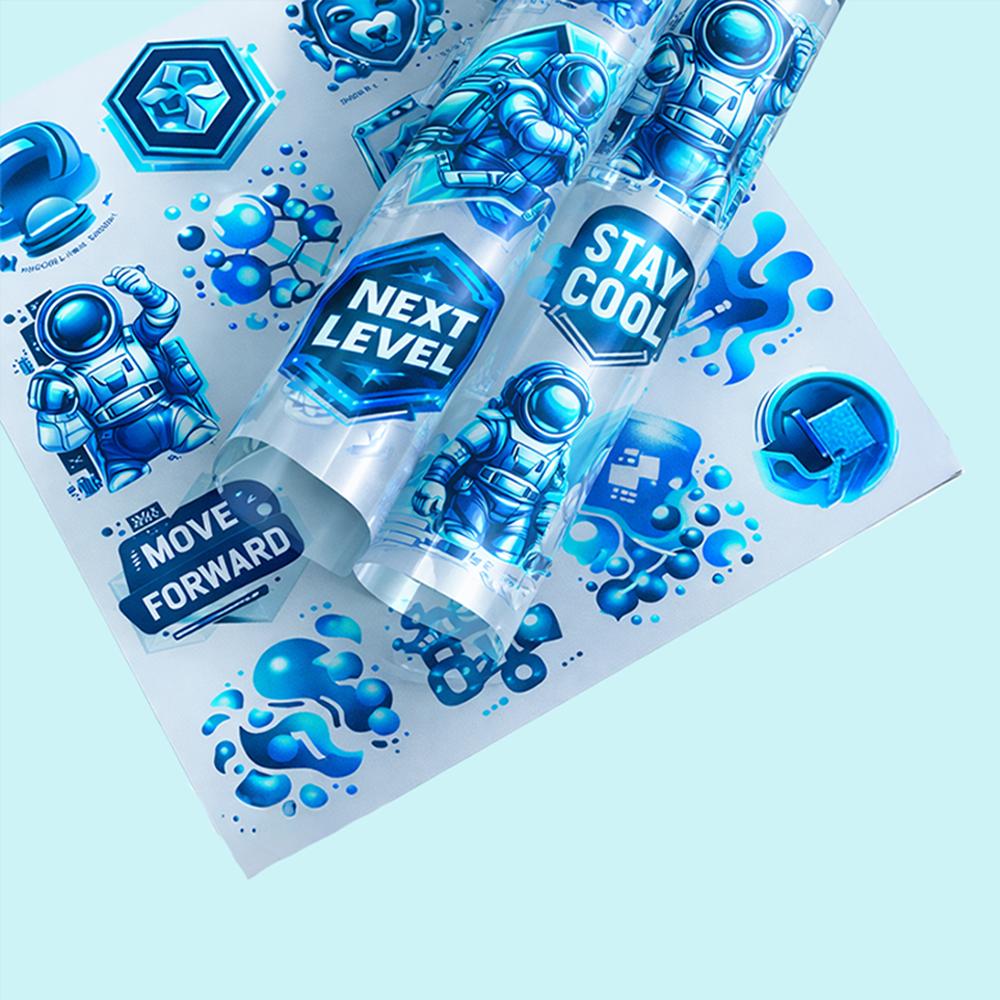
DTF transfers skip all of that entirely. You upload a digital file and press it onto the garment. No chemicals, no screens, no setup time required.
This makes DTF perfect for on-demand and custom orders. A single shirt is just as easy to produce as a hundred. That flexibility changes how you run your entire business.
🔥 Zero Setup Advantage
DTF transfers go from digital file to finished shirt in under five minutes. No screen prep, no drying time, no wasted materials.
Order Your DTF Transfers Now →
Cost Difference
Cost is often the deciding factor when comparing screen printing vs dtf. Screen printing carries a high upfront cost every time. You pay for screens, emulsion, and full press setup.
That setup cost must spread across many shirts to break even. This is why screen printers require minimum order quantities. Small orders simply aren't profitable for them.
With best price DTF, there are no setup fees at all. You only pay for what you actually print. No minimums, no wasted budget.
For small businesses, this is a game changer. Test a new design with just one shirt. If it sells, print more. If it doesn't, you've lost nothing.
💡 Did you know? Gang sheets let you print multiple designs on one DTF roll — cutting your cost per transfer dramatically on small batch orders.
Quality Comparison
Quality is where the dtf vs screen printing conversation gets most interesting. Screen printing presses bold ink deep into fabric fibers. A well-cured screen print can last for decades.
Water-based screen prints feel like part of the shirt. That hand feel is genuinely excellent on simple designs. However, thick plastisol inks can feel heavy or rubbery on large prints.
Screen printing also struggles with complex or colorful artwork. Each additional color raises the risk of misregistration. Gradients and fine details require expert technicians and specialized equipment.
Custom DTF transfers handle complex artwork with ease. You can print photographic images, smooth gradients, and fine details. Every color prints at the same price, no exceptions.
Modern DTF film is thin, elastic, and stretches with the garment. It won't crack or peel through normal washing and wear. The durability gap between DTF and screen printing is now negligible.
🔥 Unlimited Color Printing
DTF prints any number of colors at the same flat price. Complex artwork costs exactly the same as a simple one-color logo.
Which Is Better for Small Business
When comparing screen printing vs dtf for small business, your workflow matters most. Screen printing excels at high-volume, single-design runs. It's built for corporate events, uniforms, and large merch drops.
But most small businesses don't operate that way at all. You need to handle many designs and small order sizes. You need to say yes to every customer, not just the bulk ones.
DTF fits the modern small business model perfectly. You can fulfill a single custom order in minutes. You never have to turn away a customer due to minimums.
Space is another huge advantage for DTF. A heat press takes up very little room. You can run a full production setup from a spare bedroom.
Bulk DTF transfers scale well as your orders grow. Add a second heat press instead of a costly printing line. Your workflow stays simple even at higher volume.
Order Your DTF Transfers Now →
When to Choose DTF
Choose dtf or screen print based on your actual daily workflow. DTF is the right choice if you sell online and ship individual orders. It's also ideal when your designs change frequently.
DTF works best when you want to avoid upfront inventory risk. Print only what customers actually buy and order. This keeps your cash flow healthy and storage clear.
It's also the better option for detailed, colorful artwork. Streetwear brands, illustrators, and photographers all benefit from DTF's precision. Your art transfers to fabric exactly as you designed it.
Choose screen printing if you regularly run 50 or more identical shirts. Your cost per unit drops meaningfully at that scale. It also makes sense if you already own the equipment.
For most entrepreneurs in 2026, DTF is the best printing for small business. The low barrier to entry and zero minimums are unmatched. Start earning revenue before investing in heavy equipment.
FAQ
DTF or screen printing for small business?
DTF is better for most small businesses. It has no minimums and handles any order size easily. Screen printing suits high-volume, single-design runs only.
Which is cheaper: DTF or screen print?
DTF is cheaper for small orders with zero setup fees. Screen printing becomes cheaper only at very large volumes. Most small brands save more money with DTF.
Is DTF better quality than screen printing?
DTF handles complex designs and unlimited colors better. Screen printing has a slight durability edge on simple logos. For most artwork, DTF quality is fully professional.
Minimum order: DTF vs screen printing?
DTF has absolutely no minimum order requirement. Screen printing typically requires 12 to 24 shirts minimum. DTF lets you print profitably starting from just one shirt.