Is UV DTF Dishwasher Safe? What You Need to Know
The question is UV DTF dishwasher safe comes up before almost every purchase. UV DTF transfers are durable, but dishwasher use requires proper UV DTF care. Understanding UV DTF durability helps users maximize the lifespan of custom designs and branded products. This guide covers everything you need to know in 2026.
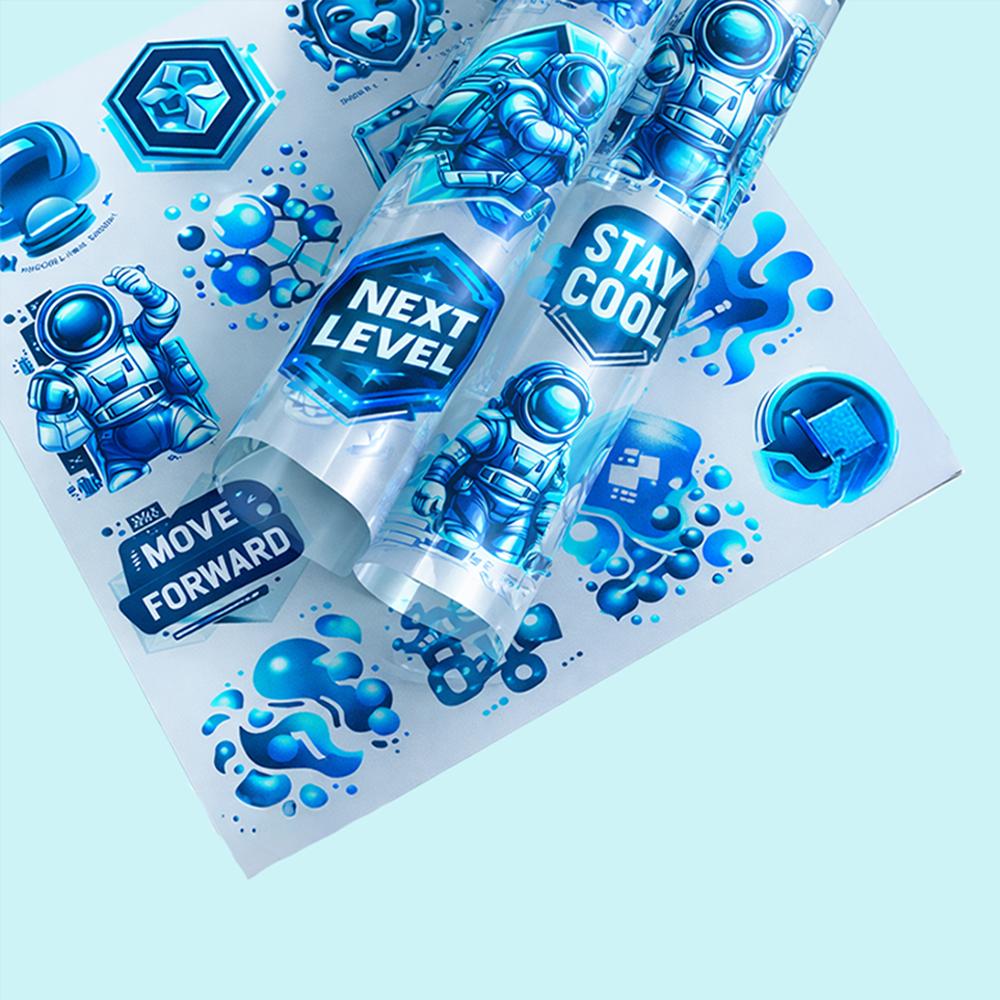
UV DTF technology applies 3D-effect, high-gloss designs to hard surfaces. It works on glass, metal, ceramic, and plastic without a heat press. No vinyl weeding and no expensive machinery are required.
Order Your UV DTF Transfers Now →
Is UV DTF Dishwasher Safe: The Short Answer
High-quality UV DTF transfers are water-resistant and highly durable. Under normal household conditions, they handle moisture very well. Most prints survive a dishwasher cycle without peeling.
UV DTF uses a specialized resin cured by UV light. It bonds best to non-porous surfaces like glass and stainless steel. Modern UV inks in 2026 are tougher than ever before.
High heat can eventually soften the adhesive bond over time. Hand washing is always safer for long-term vibrancy and color. Think of dishwasher use as occasional, not daily.
One reason many businesses choose UV DTF is its excellent UV DTF waterproof performance. While no decoration method is completely immune to wear, UV DTF transfers resist water exposure extremely well when applied correctly. Proper maintenance further improves long-term UV DTF durability.
💡 Did you know? UV DTF prints last significantly longer when hand washed. Even one dishwasher cycle per week can reduce print life over time.
5 Factors That Affect UV DTF Dishwasher Durability
Not all UV DTF prints are created equal in durability. Several technical factors determine if your design peels or stays perfect after washing.
Overall UV DTF durability depends on proper curing, application technique, film quality, and surface preparation. When these factors are optimized, UV DTF graphics can maintain their appearance for years.
Proper UV curing during printing creates a much stronger adhesive bond. Any oils or dust on the surface before application will cause edge lifting. Professional-grade dishwashers reach temperatures that degrade the resin adhesive.
Modern pod detergents contain abrasive chemicals that dull the 3D gloss. Budget-quality UV DTF film results in a weaker adhesive layer overall. Always source from a reliable supplier to guarantee consistent durability.
Custom UV DTF transfers made with industrial-grade inks perform significantly better. The surface material matters just as much as the print quality itself. Glass and ceramic hold bonds far better than flexible plastic surfaces.
🔥 Top Rack Rule
If you must use a dishwasher, always place UV DTF items on the top rack. Lower rack heat is far more intense and degrades the adhesive bond faster.
How to Apply UV DTF for Maximum Durability
Achieving long-lasting results starts with the application process itself. Preparation is the single most important step you can control.
Clean every surface with 70% isopropyl alcohol before applying. This removes fingerprints, oils, and dust that cause lifting. Ensure there is no moisture left on the surface before beginning.
Once the UV DTF film touches the surface, the bond begins instantly. Use a squeegee to press out all air bubbles with firm pressure. Work from the center outward to eliminate trapped air.
Remove the clear carrier sheet slowly at a 45-degree angle. Rushing this step is one of the most common causes of edge lifting. Let the design cure for at least 24 hours before any water contact.
Following proper application procedures is a critical part of UV DTF care. Allowing the transfer to fully cure before exposure to moisture improves adhesion, strengthens UV DTF waterproof performance, and supports maximum durability.
UV DTF vs. Traditional Sublimation: Which Lasts Longer?
Many creators ask how UV DTF compares to sublimation for hard-surface durability. Both methods have strengths depending on the application.
UV DTF is a cold transfer method, meaning no mug press or heat press is required. Unlike sublimation, it works on dark and metallic surfaces while providing a raised 3D effect.
You can apply UV DTF to items that cannot fit into a heat press. Large coolers, furniture, and curved products are all viable options.
Sublimation is technically more dishwasher-safe because the ink becomes part of the coating layer. However, UV DTF offers greater flexibility, broader material compatibility, and excellent UV DTF durability for most business applications.
Commercial Applications: Where UV DTF Excels
Because UV DTF is highly durable and offers strong UV DTF waterproof characteristics, businesses use it for a wide variety of premium products.
Branded glassware is ideal for breweries, cocktail bars, and restaurants. Personalized tumblers remain one of the most popular product categories. Corporate logos on laptops, chargers, and power banks also perform exceptionally well.
Custom designs work beautifully on candle jars, spice containers, and storage bins. Outdoor sports equipment and hard hats are also popular applications thanks to their need for long-term UV DTF durability.
For these products, bulk UV DTF transfers offer the best value per unit while increasing profit margins.
Maintenance Tips for UV DTF Print Professionals
If you produce UV DTF transfers for customers, equipment maintenance directly impacts print quality and durability.
Use cleaning solution daily to prevent print-head clogs. Verify UV curing lamp performance weekly. Weak lamps are one of the most common causes of reduced UV DTF durability.
White UV ink settles quickly, so keep circulation systems active. Store unused gang sheets in a temperature-controlled environment. Proper storage is an essential part of professional UV DTF care.
Order Your UV DTF Transfers Now →
Maximizing UV DTF Durability and Wash Resistance
Maximizing UV DTF durability starts with high-quality materials, proper curing, and correct application techniques. These factors directly affect adhesion and long-term performance.
Although UV DTF is known for strong UV DTF waterproof performance, excessive heat and aggressive detergents can gradually weaken adhesive bonds.
Reducing the frequency of each UV DTF wash cycle can significantly extend print life. Hand washing remains the preferred option for premium products and personalized drinkware.
Conclusion
So, is UV DTF dishwasher safe? In most cases, yes. Modern UV DTF transfers provide impressive UV DTF durability, excellent UV DTF waterproof performance, and reliable adhesion on glass, ceramic, and metal surfaces.
For the longest lifespan, follow proper UV DTF care guidelines and reduce unnecessary dishwasher exposure. Limiting each UV DTF wash cycle helps preserve gloss, color vibrancy, and adhesive strength for years.
FAQ
Is UV DTF dishwasher safe?
Yes, UV DTF is generally dishwasher safe under normal conditions. However, hand washing is recommended to maximize durability and appearance.
How many washes can UV DTF survive?
High-quality UV DTF prints can survive 50 or more UV DTF wash cycles under normal household conditions. Durability depends on curing quality, surface preparation, and ongoing UV DTF care.
Does UV DTF peel off in the dishwasher?
Peeling usually results from poor surface preparation or insufficient curing. Properly applied UV DTF transfers on non-porous surfaces hold up very well.
What surfaces work best for UV DTF durability?
Glass, ceramic, and stainless steel provide the strongest adhesion and best UV DTF durability. Flexible plastic surfaces tend to be less reliable over the long term.