


DTF vs Sublimation: Which Printing Method Is Right for Your Project?
Two people can order a custom printed shirt and receive completely different products depending on the decoration method used. That's exactly why the DTF vs sublimation comparison matters. While both technologies produce vibrant designs, they differ significantly in fabric compatibility, durability, production requirements, and finished feel.
For many buyers, the confusion starts when two vendors recommend different printing methods for what appears to be the same garment. One shop suggests DTF. Another recommends sublimation. Both claim their method is the best. The truth is that each technology excels in different situations.
This guide explains the real difference between sublimation vs DTF, including how each process works, which fabrics they support, durability expectations, startup costs, and how to choose the right option for your project. Whether you're a print shop owner, apparel brand, Etsy seller, or simply ordering custom shirts, you'll leave with a clear answer.
Quick Answer: DTF vs Sublimation
DTF printing is best for cotton, dark garments, mixed fabrics, and flexible production needs. Sublimation printing is best for white or light-colored polyester garments where maximum softness and photo-realistic detail are priorities. If you're decorating hard surfaces such as tumblers, mugs, acrylic products, or signs, UV DTF is often the better solution.
At DTF Print House, we help customers decorate everything from cotton t-shirts and hoodies to hard-surface promotional products using DTF and UV DTF technologies. With no minimum order requirements, same-day production available before 12 PM CT, and local manufacturing in Stafford, Texas, we work with everyone from hobbyists to large-scale apparel brands.
What Is DTF Printing?
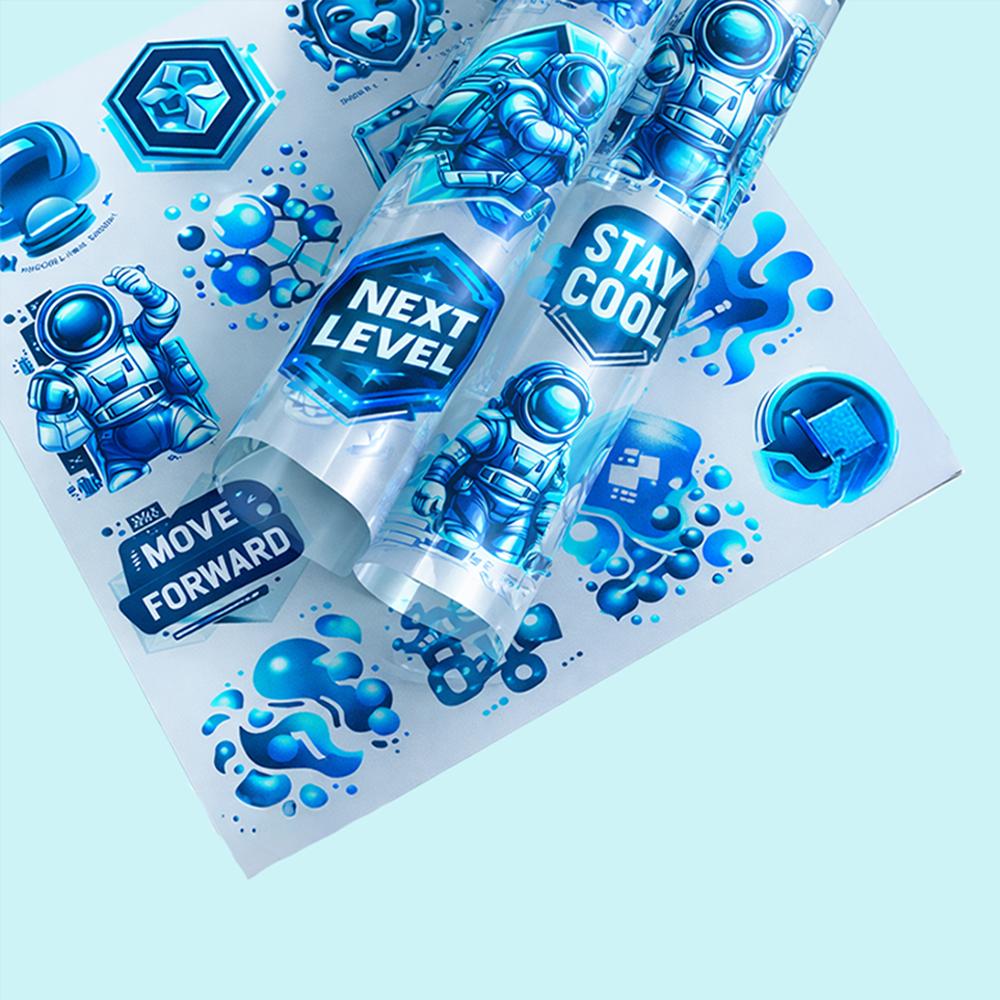
DTF printing (Direct-to-Film printing) applies a design as a layer on top of the fabric using a printed film and adhesive powder. The artwork is first printed onto a PET film using textile inks, then coated with adhesive powder, cured, and transferred to the garment using a heat press.
Unlike many traditional garment decoration methods, DTF does not require pretreatment of the garment. The transfer is produced separately and then applied when needed, making it highly flexible for both small and large production runs.
A key advantage of DTF is the use of a white ink layer. This underbase allows vibrant colors to appear clearly on both light and dark fabrics. As a result, DTF works exceptionally well on:
- 100% cotton apparel
- Polyester garments
- Poly-cotton blends
- Performance fabrics
- Black garments
- Colored garments
- Hoodies and sweatshirts
- Workwear and uniforms
Because of this versatility, many businesses view DTF as the easiest way to handle mixed customer orders without maintaining separate decoration workflows.
If you'd like a deeper understanding of the process, read our guide on how DTF transfers are made.
You may also want to compare DTF vs screen printing or learn how to use DTF transfer film for different apparel applications.
What Is Sublimation Printing?
Sublimation printing turns dye into a gas that bonds directly into polyester fibers. Instead of creating a layer on top of the garment, sublimation becomes part of the material itself.
The process begins by printing artwork onto transfer paper using dye-sublimation ink. Under heat and pressure—typically between 350–400°F—the ink changes from a solid into a gas. The gas penetrates the polyester fibers and permanently colors them.
This creates one of sublimation's biggest advantages: there is virtually no detectable texture on the finished garment. Because the dye lives inside the fibers rather than on top of them, the print feels like part of the fabric.
However, sublimation has one major limitation:
This is because sublimation dye requires polyester fibers to bond with and does not include a white ink underbase. As a result:
- 100% polyester works best
- High-polyester blends can work well
- Cotton is not suitable
- Dark garments are not suitable
- White garments produce the most vibrant results
For businesses focused exclusively on sportswear, athletic apparel, and polyester performance garments, sublimation remains a highly effective solution.
DTF vs Sublimation: Side-by-Side Comparison
When evaluating DTF vs sublimation, neither technology is universally better. Each method excels in different situations depending on the fabric, garment color, budget, and desired finish.
| Factor | DTF | Sublimation |
|---|---|---|
| Fabric Compatibility | Cotton, polyester, blends, light and dark garments | Polyester and poly-blends only |
| Garment Colors | Works on all garment colors | Best on white and light colors |
| Feel on Garment | Soft transfer layer | No texture, ink becomes part of fabric |
| Color Vibrancy | Excellent on light and dark fabrics | Excellent on white polyester |
| Durability | 50+ washes with proper care | Extremely durable |
| Setup Cost | Lower barrier to entry | Higher equipment investment |
| Dark Garments | Excellent | Not recommended |
| Cotton Apparel | Excellent | Not recommended |
| Best For | Cotton shirts, hoodies, mixed orders | Polyester sportswear |
| Minimum Order | No minimum at DTF Print House | Varies by provider |

The sublimation vs DTF printer debate often comes down to flexibility. A DTF workflow allows you to decorate multiple fabric types without changing production methods. A sublimation workflow can be extremely efficient, but only within its ideal environment of polyester-based products.
Likewise, the DTF printer vs sublimation printer comparison is not about which machine is objectively better. The correct choice depends entirely on the garments you plan to decorate.
For additional apparel decoration comparisons, explore how DTF transfers compare to DTG.
Which Fabrics Work With Each Method?
The simplest way to answer the question "What is the difference between sublimation and DTF?" is to look at fabric compatibility. In many cases, the fabric itself automatically determines which decoration method should be used.
100% Cotton
DTF is the clear winner. Sublimation ink cannot properly bond with cotton fibers, which means designs will fade quickly and fail to achieve the expected durability. DTF transfers adhere exceptionally well to cotton garments while maintaining vibrant colors.
Cotton-Poly Blends
DTF is strongly preferred. While sublimation can produce acceptable results on high-polyester blends, color intensity decreases as cotton content increases. DTF remains consistent regardless of blend ratio.
100% Polyester (White or Light Colors)
Both methods work well. Sublimation often wins when softness is the top priority because the design becomes part of the fabric. DTF still provides excellent durability and color vibrancy.
Dark Polyester
DTF is the better choice. Because sublimation lacks a white underbase, colors cannot appear properly on black or dark garments.
Heat Press Settings Matter
Fabric type also affects pressing conditions. Learn more about heat press settings for cotton vs polyester to ensure the best results regardless of the transfer method you choose.